
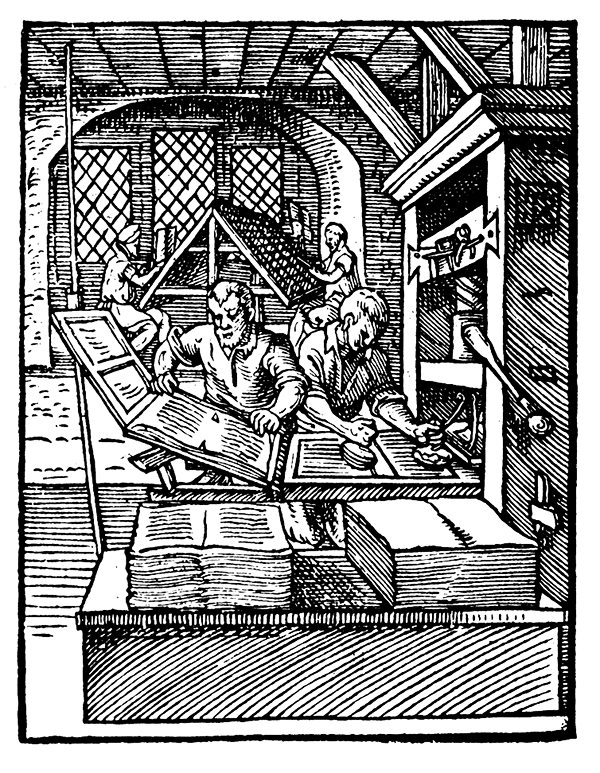
I have always had an affinity for newspapers, the physical medium, more so than the content. In many ways, it is like my affinity for books, the physicality of the medium. As long as I can remember, I have been interested in manual printing presses and the early small-run automated presses of the late 18th and early 19th centuries. I am not much of a journalist, but I have done ad and magazine design work as well as photography, along with the digital processing of text and visual components. Over the last year or so, my affinity for the idyllic small-town press has grown—the kind of paper you might find in Andy Griffith’s Mayberry.
My research on propaganda has me doing background on the history of newspapers in America. The two have been close companions since the introduction of broadsheet media, soon after the invention of the printing press. America’s entire history includes propaganda in newspapers from the colonial period to the present. I have an assignment due Sunday on how the turn of the 20th-century newspaper industry was affected in a business sense by the Committee on Public Information’s engagement with the press in both selling America on the war and disseminating information during the war.
One of the first illusions shattered by this research was the idea of the idyllic small-town paper. When they did exist, they were likely a political or special-interest paper from around 1800-1880. By the 1900s, mass-market press, muckrakers, and yellow journalism were already well established. The press lords began to dominate the newspaper industry shortly after the penny-press movement started in the 1830s. Their reign would continue through the Gilded Age, well into the 1930s.
Aside from bringing historic reality into focus, this research has furthered my interest in the restoration of manual and semi-manual presses from the 19th and early 20th centuries. It is also furthering my interest in producing limited press runs of broadsides. What has been added to my list of potential interests is journalism. Journalism from the perspective of that idyllic small-town newspaper, or just maybe, some contemporary journalism flavored with a bit of sass and humor in the spirit of the younger Franklin brother in Philadelphia.