Of the things that frustrate me to no end, willful ignorance tops the chart. History is what it is; a recollection of the past. I would be guilty of willful ignorance myself to say that history, or interpretations there of, haven’t been used for political and ideological purposes in the past. They have, since history was first recorded, there have always been interpretations of events that fed a narrative of the authors choosing to some agenda’s needs. Modern history is certainly no exception. Fictitious narratives and interpretations have been generated by many ideological groups, most notably by ideologues with a personal agenda and a need to subvert a population so that population will follow the ideolog, and do their bidding. The Nazis, soviets, present day Russia, and, sadly, the present administration in America are but a few examples. Rewriting history is nothing new, but in this day and age of infinite connectedness, we should be doing better at remaining aware that it’s being done.
Written histories often represent the attitudes of people groups, national or regional. The Lost Cause narrative of the American Civil War is an example of this kind of revisionist interpretation in service of ego fragility. Usually, over time these kinds of revisionist histories are reinterpreted and at some point, they eventually get closer to the facts of the events. Newer interpretations tend to acknowledge the various perspectives of those participating in, or observing events. Well written history will also include analysis of previous interpretations and the drivers of those interpretations. Distance from the events allow a more circumspect view and less attachment to the interpreted narratives generated by those earlier historians. The exceptions enter public view when the writer has an agenda they wish to reenforce. The Lost Cause narrative is an exception that has been reenforced over the last century and a half, and it persists in some areas to this day. Holocaust denial is an example of a whole genre of agenda driven historical revision serving a ideological agenda. The romantic, and completely fictitious Völkisch history created by a handful of Germans in the 1920s and 30s was an agenda driven historical fantasy that provided a background for the Nazi’s to build on.
The ham-fisted attempts of the current American administration to turn back the clock and ignore or remove the civil rights more than half of the population is an outrage, as are its attempts to disenfranchise citizens and prevent them from voting. A small segment of the population, egged on by the administration and far-right wingnuts wishes to rewrite American history to serve their agenda. America is a nation of immigrants. It always has been. Unless you are descended from indigenous people, you are an immigrant descendant. A significant number of my ancestors were hear before 1776. I am an immigrant descendant.
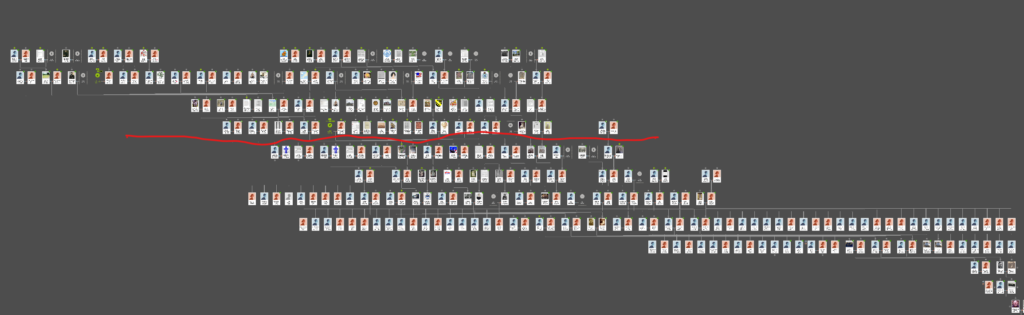
While I am proud to say that some of my ancestors participated in the founding of this nation, as a historian, I must acknowledge that this carries with it darker aspects of their lives. Colonialism, the abhorrent treatment of First Nations people, and the atrocities of slavery. These are also part of my family’s past. It’s not a bad thing to acknowledge the truth. It is what it is. I wasn’t there. America has a complicated past, and present; colonialism, genocide, slavery, meddling in other sovereign nations politics for our benefit, and we have been at war with someone for most of the last 250 years. Being willfully ignorant of the past and hiding your head in the sand are not solutions to anything, they are delusion.
Question authority, study history, read widely, demand evidence of any claims, seek evidence from as many sources as possible, verify all evidence, refuse to be made a fool for someone else’s agenda or ego.